

self-centred craving : ค้นหาหนังสือธรรมะ หน้า 9 / 33
หน้าหนังสือทั้งหมด
196
The Dangers of Sensual Pleasures and Self-Mortification
1.1 Kāmasukhallikāyunāga: indulgence in the various sensual pleasures is harmful in the following ways:
1.1.1 Hino: It makes the mind coarse and clouded;
1.1.2 Gammo: (this word literally means "house
In Buddhist teachings, indulgence in sensual pleasures is deemed harmful as it clouds the mind, encourages a household life, collects defilements, and is ultimately unprofitable. Similarly, self-morti
206
Knowledge of the Path to Cessation of Suffering
3.8.1 Dukkhanirodhagāminī Saccāṇa: Knowledge of the existence of Path to the Cessation of Suffering.
3.8.2 Dukkhanirodhagāminī Kiccaṇāṇa: Knowledge of what must be done in relation to Path to the Ces
This text discusses the twelve stages of the Cycle of Examination derived from the Four Noble Truths and their relation to enlightenment. It elaborates on the three circuits: knowledge of existence, k
215
The Tathāgata and the Cycle of Enlightenment
Yāva kivāñca me bhikkhave, imesu "O! Monks! If the Tathāgata had not fully com-
catusu ariyassaccevaṁ tiparivattaṁ completed these three cycles with their twelve com-
dvaḍasākāraṁ yathābhuṭṭaṁ nān
In this text, the Buddha addresses monks, emphasizing that he has fully completed the three cycles of truth, which affirms his status as a fully self-enlightened Buddha. He claims that this enlightenm
228
Understanding Nibbāna and the Noble Truths
natal wind 61
neighbourhood concentration 43,
neither-perception-nor-non-perception, absorption of 193
nibbāna, anupadisesa 21, 112, 114;
ayatana 21, 102, 112, 114; sa
upādisesa 21, 112, 113-4
Nirvana
This text delves into key concepts in Buddhist philosophy, particularly Nibbāna and the Noble Truths. It discusses the interrelation of teachings, the significance of practicing the Middle Way to atta
12
Untitled
10 : Universal Goodness
1.1 Where did one come from? Why is one here? Where does one go after one dies?
These three questions can stump even the most intelligent person on earth. On the day of one’s
No text provided for summarization.
6
Untitled
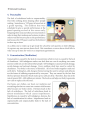
4. Punctuality
The lack of orderliness leads to unpunctuality. One feels nothing about keeping other people waiting. Sometimes, a VIP guest is hours late at a grand opening. The children that were sch
No content provided for summary or SEO details.
23
Untitled Document
Universal Goodness 23
A clear mind begins with ...
Performing one's work without the four categories of partiality:
● Chandalogati: Partiality caused by love or fondness.
● Dosagati: Partiality caus
26
The Importance of Good Habits in Education
CHAPTER 2
Furthermore, a good education system is essential in assisting the parent to
continue to build the knowledge of the individual along the right path to further
strengthen the fabric of human
This chapter discusses the significance of a solid education system in fostering good habits among individuals which leads to mental, physical health, and societal benefits. It defines habits, categor
5
การวิเคราะห์วิถีทางพระพุทธศาสนา
164
ธรรมาธรรม
วิเคราะห์วิถีทางพระพุทธศาสนา ปีที่ 6 ฉบับที่ 1 (ฉบับรวมที่ 10) ปี 2563
Mahāyāna Buddhism:
Reasons for Diversity in the Buddha’s Teachings
SASAKI Shizuka
Abstract
Buddhism in the peri
บทความนี้วิเคราะห์ความแตกต่างของแนวคิดในพระพุทธศาสนา โดยมุ่งเน้นที่พระพุทธศาสนามหายานที่มีความคิดชนิดหนึ่งที่ต่างออกไปจากคำสอนของพระโสดาบัน โดยอ้างอิงถึงเหตุการณ์ในสมัยพระเจ้าอโศก ซึ่งเป็นช่วงเวลาที่เ
247
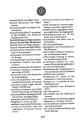
Glossary of Buddhist Terms
Sammañi Dıṭṭhi (see Right View)
Sammaña Kammanta (see Right Action)
Sammaña Samādhi (see Right Concentration)
Sammaña Sambuddho (P. an epithet of the Buddha: the Perfectly Enlightened One)
Sammañ
This glossary serves as a valuable resource for those exploring Buddhism, providing definitions and explanations of important terms. It covers concepts such as Right View, Right Action, and mindfulnes

20
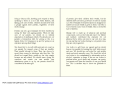
Superior Love through Superior Dhamma
Superior Love
through Superior Dhamma
Because we are human beings, none of us are perfect.
We all come with a baggage of deficiencies. We can
cope with our own deficiencies but we cannot
tolerate some
This text discusses the challenges of living with a partner and how the Dhamma provides guidance for a harmonious family life. It highlights the four virtues: truthfulness, self-control, endurance, an
25
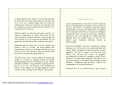
Living a Virtuous Life: Honoring Parents
living a virtuous life, showing good respect to them,
speaking to them in a nice and warm fashion, and
taking good care of them. Children should never hold
a grudge against their parents, regardless o
This text emphasizes the necessity of living a virtuous life by showing respect and care towards one's parents. It discusses the importance of not holding grudges against them, illustrating how parent
33
The Power of Universal Love and Self-Care
to during harsh times, and also in the final moments
of his or her lives. Even after death, we can still rely
on it. It is our constant refuge until we reach the
ultimate goal. If we love ourselves, w
This text emphasizes the significance of self-care and self-love during challenging times, underscoring that we are ultimately responsible for our joy and sadness. It discusses how meditation can puri

44
The Transformative Power of Meditation
ERVICE
I couldn't help thinking a lot, sometimes I kept
thinking until midnight. One sleepless night, I decided
to try meditating. I just sat and let time go by, waiting
for myself to feel sleepy. I d
The narrative illustrates a woman's journey through meditation, revealing how it leads her to inner peace, emotional stability, and a better understanding of herself. Initially sleepless and contempla
9
Dhamma for Laypersons: The Vital Heart of a Stable Family
The following subject matter is very important for all
families; whoever wants to get married, whoever wants to have
children, whoever wants to have a husband or a wife must
study these pages to gain
This text emphasizes the significance of understanding Dhamma for Laypersons to maintain family stability. It highlights four common family problems: suspicion, foolishness, tiredness, and selfishness
11
The Heart of a Stable Family
of warning that person, tired of teaching that person, or tired
of advising that person, it will manifest into a family in which
each family member lives on their own in the same house.
There will not
บทความนี้สำรวจปัญหาที่เกิดขึ้นในครอบครัว เช่น ความเหนื่อยล้าระหว่างสมาชิกและความเห็นแก่ตัว ซึ่งทำให้ครอบครัวมีโอกาสแตกแยกสูงขึ้น มันเน้นถึงความสำคัญของการสื่อสารอย่างเปิดเผยระหว่างสมาชิกในครอบครัวเพื่
12
Dhamma for Laypersons: Building a Stable Family
Although the solution is not simple, that does not mean
there is no path to correct and prevent them from occurring. If
each person realizes what the heart of the family is and
everyone takes the best
The text discusses a method for fostering a stable family as taught by the Lord Buddha through 'Dhamma for Laypersons', which includes truthfulness (sacca), self-control (dama), endurance (khanti), an
20
The Foundation of Marriage: Sacrifice and Care
After one gets married, the foundation of one's life lies
in sacrifice for each other. If ever we become selfish towards
each other, it will be followed by divorce or murder.
Sacrifice in marriage is
This text discusses the fundamental aspects of marriage, emphasizing that the foundation of a successful relationship lies in sacrifice for one another. It highlights how caring for each other, both p
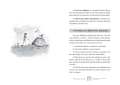
97
The Role of Parents in Guiding Children
1. Teach your children. In a household where children
have not developed bad behavior, then they should be taught
about right and wrong and how to demonstrate self-discipline.
2. Address the problem i
ในบทนี้พูดถึงความสำคัญของการสอนเด็กและการแก้ไขพฤติกรรมที่ไม่ดีทันที เพื่อให้เด็กเติบโตขึ้นอย่างมีความรับผิดชอบและประสบความสำเร็จในชีวิต รวมถึง 5 ข้อที่ผู้ปกครองควรทำเพื่อการเตรียมตัวเด็กให้พร้อมสำหรับ
126
The Stages of Good Deeds
banana blossoms to eat with condiments. And yet we still
have to wait a full year for the fruit.
"The first stage of good deeds: Once we have done
something good, no matter if anybody sees it or not,
The text outlines the four stages of good deeds: self-satisfaction, development of character, recognition of hard work, and societal esteem. It emphasizes patience in expecting the outcomes of good de